
2026-04-11 · personal, auto
By InsuraFAQ Editorial Team · Reviewed for accuracy
Usage-Based and Pay-Per-Mile Car Insurance: How It Works
Key Takeaways
- Usage-based insurance (UBI) can add driving data to the factors used to calculate an auto insurance premium.
- Programs may measure mileage or driving behavior. What is collected and how it affects your price depends on the program and state.
- Savings are not guaranteed. A program may lead to a higher premium, so compare quotes for the same coverage.
- Review the privacy disclosure, monitoring requirements, policy terms, and available coverages before enrolling.
Introduction
Traditional auto insurance uses factors such as driving history, vehicle type and location. Usage-based insurance adds information about how or how much you drive. Depending on the insurer and state, that information can help determine your premium. The National Association of Insurance Commissioners (NAIC) explains the data and trade-offs.
This guide explains the main approaches and questions to ask when comparing them. Neither enrollment nor a particular driving habit guarantees a lower price.
What Is Usage-Based Insurance?
UBI includes programs that use individual driving information as a rating factor. Some focus on driving behavior, while distance-based or pay-per-mile products emphasize mileage. Programs and their availability vary by insurer and jurisdiction; check what is offered where your vehicle is insured.
How Telematics Programs Work
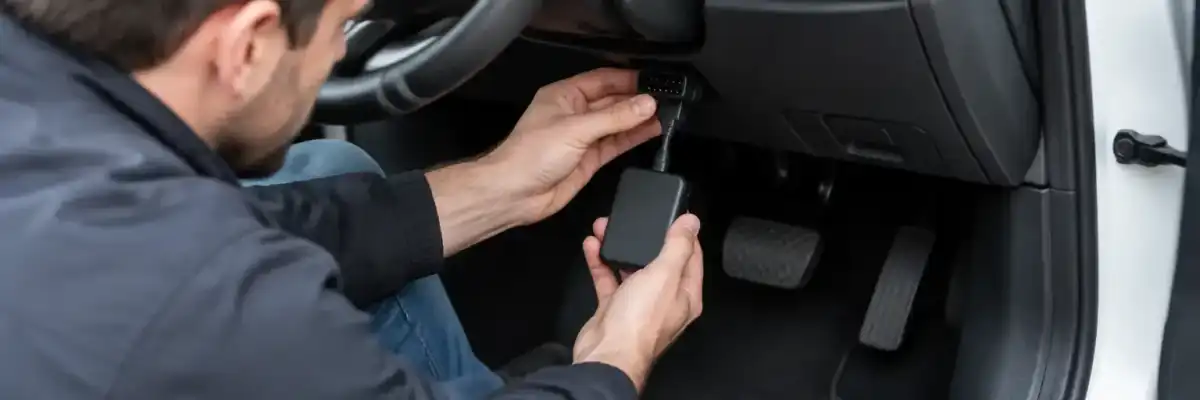
A program may collect information using a smartphone, a device installed in the vehicle, or embedded vehicle technology. Depending on the program, data can include miles driven, time of day, location, acceleration, braking, cornering and phone use. The insurer and applicable state rules determine which data is used and how it affects the premium.
Some programs offer a discount based on the information collected; others may use it differently in pricing. Ask whether the price can increase, when the data is evaluated, and whether an initial discount can change. The NAIC notes that UBI can lead to increased premiums as well as savings.
Privacy matters too. Read the insurer’s disclosure to learn what is collected, how long it is kept, with whom it may be shared, and what happens if you stop participating.
How Pay-Per-Mile Insurance Works
A pay-per-mile policy can combine a base charge with a charge tied to miles driven. Rates, billing periods, tracking methods and any mileage caps vary with the insurer. Ask for a sample calculation using your expected annual mileage and confirm whether other driving data also affects the price.
The coverages available vary with the insurer and policy. Compare the same liability limits, deductibles and optional coverages with a traditional quote; a mileage-based price does not by itself establish what a policy covers.
Who Might Save with UBI?
Someone who drives relatively few miles may find a distance-based quote competitive. A behavior-based program might benefit someone whose driving matches that program’s criteria. Neither result is assured: the base price, coverage, mileage, driving data, insurer and state all matter.
Use last year’s mileage and a realistic estimate for the coming year to compare total costs. Consider how a longer commute or other change in driving could affect a mileage-based bill.
Potential Drawbacks
- Privacy: Review what information is collected, retained and shared before opting in.
- Price uncertainty: A program can result in a higher premium, depending on its rules and your driving data.
- Availability: Products, eligibility and rating rules vary by insurer and state.
- Mileage changes: More driving can increase the cost of a mileage-based policy. Ask how the program bills for additional miles.
- Participation requirements: Ask how long monitoring lasts and what happens if a device stops working or you leave the program.
For a broader look at premiums, see insurance cost drivers.
How to Compare UBI Options
- Check availability. Ask your insurer and other carriers which programs are available in your state and for your vehicle.
- Compare equivalent coverage. Match limits, deductibles and optional coverage when requesting traditional and UBI quotes.
- Estimate total cost. For a mileage-based quote, ask how the base and per-mile charges apply to your expected mileage.
- Read the program and privacy terms. Check what is measured, how it affects pricing, and how information is retained and shared.
- Ask about changes and opting out. Confirm when rates or discounts can change and whether leaving affects your premium.
See how to compare insurance quotes and how to lower insurance premiums for additional comparison tips.
Frequently asked questions
Can telematics raise my insurance rate?
It can, depending on the program and state. Ask the insurer whether driving data can increase the premium, reduce a discount, or both, and when any change would take effect.
Is pay-per-mile insurance full coverage?
Pay-per-mile describes a pricing approach, not a guarantee of coverage. Ask which coverages and limits are available and review the policy before buying.
Do I have to keep the telematics device forever?
Monitoring requirements vary. Ask how long the device or app must remain active and what happens if you stop participating.
How much can I save with usage-based insurance?
There is no guaranteed amount. Compare a UBI quote with a traditional quote for equivalent coverage, using your expected mileage and the program’s terms.
Conclusion
Usage-based and pay-per-mile programs may offer savings for some drivers, but their pricing, data practices and availability differ. Compare actual quotes and read the terms before enrolling; a lower price is not guaranteed.
If you drive for rideshare or delivery, confirm whether the policy and program cover that use. Our rideshare and delivery insurance guide explains questions to consider. For more context, visit the auto insurance hub and auto insurance cost guide.